Five weeks you cannot have
Milan is a small city with a large event industry. For about five weeks a year, venues, crews and suppliers are committed simultaneously and no budget unlocks them. Here is the rest of the calendar, including the weeks that produce better results than the ones everyone asks for.
7 min read
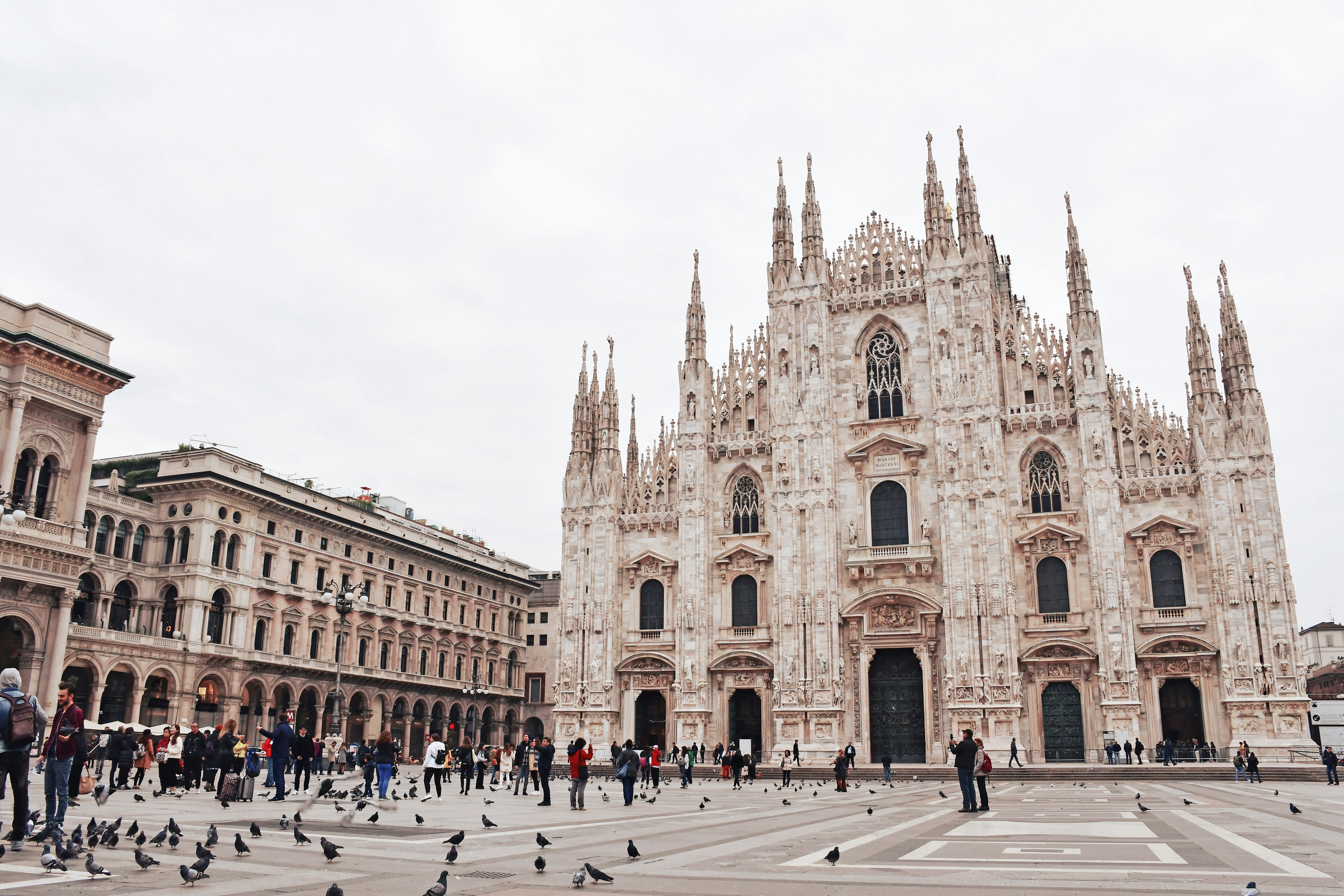
For about five weeks a year, Milan is not available to you. The venues, crews, trucks, printers and hotels are committed simultaneously, and no budget unlocks them. If your date falls inside those weeks, everything below applies. If it does not, you have far more room than the market will tell you.
January, 15 to 19. Menswear, autumn/winter. Shorter and calmer than the women's weeks, but it still absorbs the city's production capacity. Also a genuinely good window: crew is obtainable at three to four months, and press schedules have gaps in them.
February, late. Women's ready-to-wear. Dates confirmed by CNMI in advance. For scale, the February 2026 edition ran 162 appointments.
March, early. Quiet, and underrated. Venues negotiate. Nobody asks for it.
April, 13 to 18. Salone del Mobile at Fiera Milano Rho, with Fuorisalone across the city 12 to 18 April. The most expensive week of the Milan year and the one fashion-side clients most reliably underestimate, on the assumption that a furniture fair does not concern them. During design week the entire city is an exhibition. Brera, Tortona, Isola, Porta Venezia, Lambrate. Every courtyard, showroom and garage in the centre is rented. Freight movement is constrained. Accommodation peaks.
If you are not part of design week, do not schedule anything in Milan that week. If you are, hold the venue a year out. That is not rhetorical.
May, late. One of the two best windows in the year. See below.
June, 18 to 22. Menswear, spring/summer. Same character as January.
July, last week, into August. The city closes. Suppliers shut for two to three weeks, permitting offices run reduced service, press are out of the country.
This breaks more September projects than any other single fact, and it does so quietly, because a plan written in June looks like it has three months and actually has two. A September event has to be substantially finished before the shutdown, not resumed after it.
September, 22 to 28. Women's ready-to-wear. This year, 203 appointments: 61 shows, 88 presentations, 54 events, in seven days. Nineteen per cent more than last September. Prada opens on the Tuesday, Armani closes the physical calendar on the Sunday, and the Monday is digital only.
Central venues are held twelve months ahead by returning brands. Crew, lighting and photographers are booked by June. Hotel rates roughly double. And the press you want are choosing twelve appointments out of two hundred and three.
October and November. The other best window. Venues negotiate, crews are free, and a journalist can accept an invitation without choosing between three events the same evening.
December, first two weeks. Genuinely good and consistently unused. The city is working, press are working, venues are available. After roughly the twentieth it is over until the second week of January.
Lead times
Fashion week or design week, nine to twelve months. The week adjacent to a major week, five to six. Standard periods in historic or institutional venues, three to four months. Standard periods in commercial venues and showrooms, six to ten weeks. Anything in the first three weeks of September, before June.
And a separate clock runs alongside: holding a venue is not holding a permission. Permissions follow the Comune's calendar, not the venue's.
The argument
Almost every client who asks us for a September date would get a better result in early November.
The reasoning is arithmetic rather than contrarianism. In September you pay a thirty to fifty per cent premium on the venue, twenty to thirty on crew, double on hotels, and in exchange you compete for attention against 202 other appointments. In November you pay list price and compete against almost nothing, and the editors you want can give you a full evening rather than forty minutes between two other shows.
What September buys is the audience already being in the city, and for an established brand with a full-week presence that is worth the premium. For a brand showing in Milan for the first time, with a list of forty names it is still building, it usually is not. The premium buys a crowded room.
A meaningful number of clients come round to this once the September quote arrives. The ones who do not are usually not buying a show; they are buying the sentence "during Milan Fashion Week," which is a different product, and a legitimate one, as long as everyone is clear that is what is being paid for.
Fashion week figures from the CNMI official calendar published 9 September 2026. Salone del Mobile dates from the organiser's published 2027 programme. Confirm current dates before planning.
N.7 Studio


